

How SST Rates Work: A Breakdown of 6% and 10%
Explains the difference between the two main SST rate tiers and which product categories fall under each rate
Read MoreUnderstanding how retailers display the final cost you actually pay, and why this matters for your household budget

Walk into any Malaysian supermarket and you’ll notice something straightforward about the price tags. That RM29.90 on the shelf? That’s exactly what you’ll pay at the checkout. No surprises, no hidden calculations at the register. This is tax-inclusive pricing — and it’s become the standard way retailers display prices across Malaysia since SST was introduced.
But understanding how this works matters more than you might think. When you’re budgeting for groceries, comparing prices between stores, or just trying to figure out why certain items cost what they do, knowing the difference between the product price and the tax built into it gives you real insight into your household spending.


Here’s the thing — when you see a price, that number already includes the SST. Let’s say a t-shirt is marked at RM49.50. That RM49.50 is the final price you’re paying. It’s not RM49.50 plus 6% tax. The retailer’s already factored in the tax before printing the tag.
The calculation happens behind the scenes. A retailer might buy a shirt for RM45 from a supplier (SST-inclusive). They decide on a 10% markup, which brings it to RM49.50. That RM49.50 now includes whatever SST applies to that item — usually 6% for most goods, though some items like prepared food are taxed at 10%.
This is different from how many other countries operate. In places like the United States, you’ll see a price tag that doesn’t include sales tax. You see $50, but you actually pay $53.50 at checkout (depending on state tax rates). That’s tax-exclusive pricing. Malaysia’s system is cleaner for consumers because there’s no mental math required at the register.
Malaysia’s SST system has two primary rates: 6% and 10%. Understanding which applies where helps you see why identical-looking items might cost differently. Most everyday goods — clothes, electronics, household items — fall under the 6% rate. Your shirt, coffee maker, and bedsheets all use this rate.
The 10% rate applies mainly to prepared food and certain services. That nasi lemak from a restaurant, the pizza you order for delivery, the haircut at a salon — these are all taxed at 10%. It’s why eating out costs more than you might initially expect, and why buying the same ingredients at a supermarket (6% tax) feels cheaper than getting the prepared version.
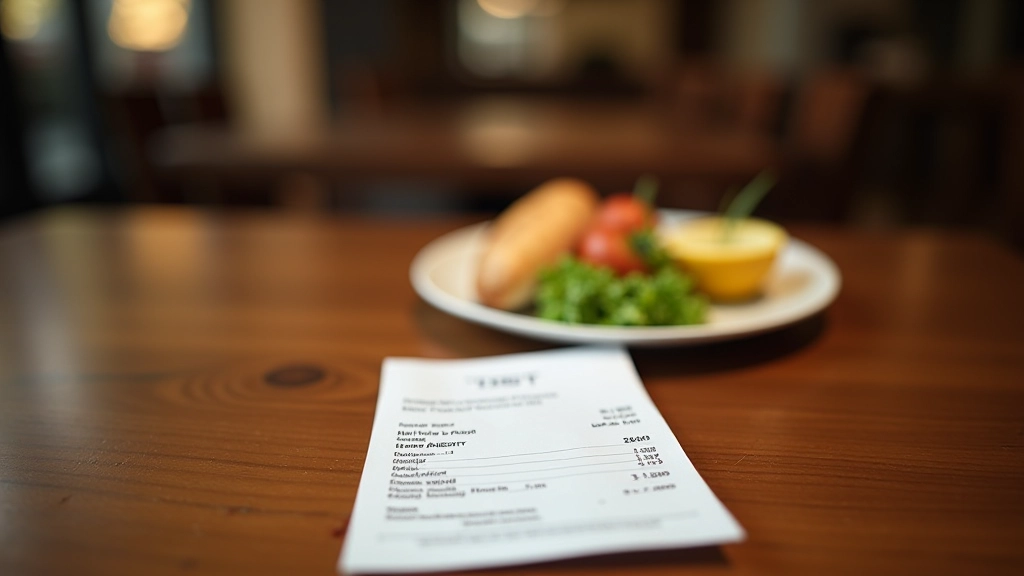

Tax-inclusive pricing affects how you plan your household spending in subtle but important ways. When you’re comparing two items and one costs RM50 while another costs RM53, you’re already seeing the full difference — not trying to calculate what tax will add on top.
This system makes budgeting clearer. You can look at your shopping list, add up the prices you see, and know that’s what you’ll spend. There’s no surprise when the cashier rings everything up. For families managing monthly grocery budgets or tracking food spending, this transparency is genuinely valuable.
However, it does mean the actual tax you’re paying isn’t always obvious. That RM29.90 coffee maker includes about RM1.68 in SST, but you won’t see that breakdown unless you specifically calculate it. Some people prefer this — it keeps things simple. Others would rather see exactly how much tax they’re paying on each purchase.
How Malaysia’s approach compares to other pricing systems
Price displayed: RM100
What you pay: RM100
Tax included in that amount
No surprises at checkout
Price displayed: $100
What you pay: $107-$110
Tax added at checkout
Sees exact tax amount
Let’s walk through some real situations where understanding tax-inclusive pricing helps you make better spending decisions.
You’re buying weekly groceries. A 1kg bag of rice shows RM8.50. Some vegetables are RM12 per kg. These prices already include the 6% SST. If you buy RM150 worth of items, you’ll pay exactly RM150 — no calculation needed at the register.
A menu shows nasi goreng at RM18. That’s the final price with 10% SST already included. You don’t pay RM18 plus tax — you pay RM18. The restaurant’s already worked that tax into their menu pricing.
An online store shows a laptop at RM3,499. That’s the total you’ll pay — shipping and SST are either included in that price or added as separate line items before checkout, but the advertised price is tax-inclusive.

Tax-inclusive pricing is one of those systems that works best when you don’t think about it too much. You see a price, you know that’s what you’re paying. No mental math, no surprises at checkout, no calculating what the actual tax amount is.
But understanding how it works — that the RM29.90 you’re seeing already includes about RM1.68 in SST, or that restaurant prices include 10% while supermarket goods include 6% — gives you better insight into your spending. You’ll notice why certain shopping patterns save money, how tax rates affect different categories of purchases, and why comparing prices between a supermarket and a restaurant requires understanding they’re operating under different tax systems.
For your household budget, this transparency is genuinely helpful. You’re never caught off-guard by tax being added on. What you plan to spend is what you actually spend. That’s worth understanding, even if the system itself runs quietly in the background.


This article is provided for educational purposes only to help you understand how tax-inclusive pricing works in Malaysia’s SST system. While we’ve made every effort to ensure accuracy, tax regulations and retail practices can vary. The examples and explanations reflect current understanding as of February 2026, but specific pricing practices may differ between retailers and change over time. For specific questions about how SST applies to particular items you’re purchasing, or for detailed tax advice related to your business, consult the official Royal Malaysian Customs Department (RMCD) resources or speak with a tax professional. This content is not intended as tax advice or financial guidance.