Tax-Exempt vs Taxable: What You Can and Can’t Buy
A practical guide to understanding SST exemptions on everyday items, surprising exceptions, and how to spot tax-free purchases at checkout
Why SST Exemptions Matter for Your Budget
Walking through a Malaysian supermarket, you’ll notice something interesting — not everything costs the same after tax. Some items you grab are completely tax-free, while others add 6% or even 10% to the final price. It’s not random. The government has created specific categories of goods and services that escape the Sales and Services Tax (SST), while most other purchases don’t.
Understanding these exemptions isn’t just trivia. When you’re planning your household budget, comparing prices across stores, or figuring out why two similar products cost different amounts, knowing which items are tax-exempt versus taxable changes how you approach shopping. Some exemptions make obvious sense — you won’t pay tax on basic medicine or uncooked rice. Others? They’re genuinely surprising and catch most shoppers off guard.
The Core Principle
Malaysia’s SST system exempts essential items needed for survival — uncooked food, basic medicines, and certain services. Most processed foods, luxury goods, and services like dining out are fully taxable at 6% or 10%.
What’s Actually Tax-Free
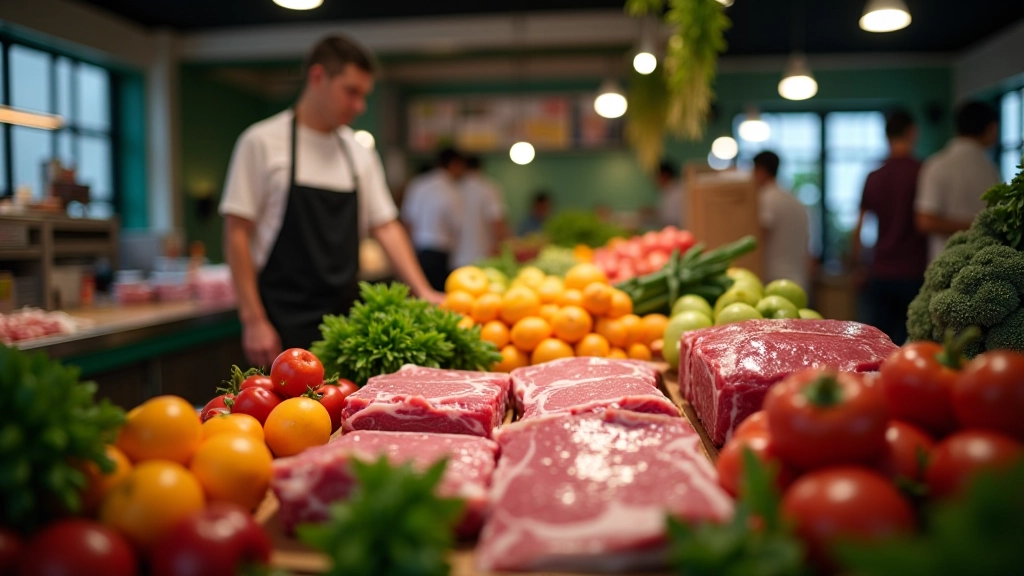
The largest category of tax-exempt items is uncooked food. When you buy raw rice, fresh vegetables, meat from the butcher counter, eggs, or fresh fruits — these don’t get SST added. The logic is straightforward: everyone needs to eat, and the government doesn’t want to add tax to the absolute basics.
But “uncooked” is the critical word. Cook it or process it, and suddenly SST applies. That raw chicken breast? Tax-free. A rotisserie chicken from the supermarket? That’s now a prepared food item — 6% SST added.
Medicine exemptions are equally straightforward. Any registered pharmaceutical product sold over-the-counter or by prescription carries no SST. Paracetamol, antibiotics, insulin, vitamins — all exempt. However, cosmetics and personal care items like shampoo or toothpaste don’t qualify, even though some people think they should.
The Surprising Exceptions
Here’s where it gets interesting. Some items you’d think are essentials actually get taxed, while others you’d guess are luxuries don’t. Cooking oil? Tax-free. Butter? Also tax-free. But margarine? That gets 6% SST. The distinction isn’t about health — it’s about what the government classifies as staple food versus processed goods.
Sugar, salt, flour, and rice all escape SST. Chocolate, candy, and processed snacks don’t. Bread from a bakery counter? Exempt. Pre-packaged biscuits? Taxable. You’re starting to see the pattern — minimally processed staples get the exemption. Anything that’s been heavily processed or manufactured beyond basic food preparation doesn’t.
The water situation confuses people constantly. Tap water doesn’t have SST (obviously — it’s a utility). But bottled water in plastic bottles? That’s got 6% SST added. Same H2O, different tax treatment depending on packaging.
What You’ll Always Pay Tax On
Restaurant & Prepared Food
Any food prepared and ready to eat — whether that’s a restaurant meal, food court purchase, or rotisserie chicken from the supermarket — gets hit with 6% SST. Delivery services add another 6% on top.
Beverages & Alcohol
Soft drinks, coffee, tea, juice, and all alcoholic beverages carry 6% SST. Milk is exempt (it’s considered food), but anything you drink that isn’t plain milk gets taxed.
Luxury & Non-Essential Items
Electronics, clothing, furniture, cosmetics, and household appliances all face 6% SST. Luxury items sometimes face 10% instead. Your new phone? Taxed at 10%.
Services & Labor
When you pay for a service — haircut, car repair, plumbing, accounting — you’re paying 6% SST on top of the labor cost. This applies to most services except basic healthcare.
How to Use This Knowledge at the Store
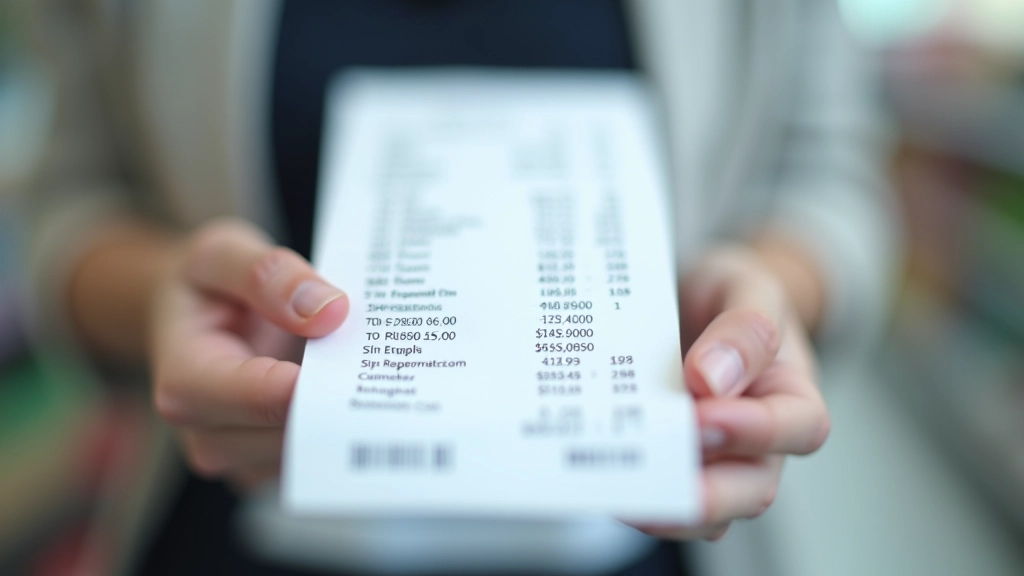
First, check the receipt. Most Malaysian receipts show whether SST was applied — look for the tax line. You’ll see either 0% (exempt) or 6%/10% (taxable). When you’re comparing prices between stores or brands, remember to factor in the tax difference. A RM10 item with no tax isn’t the same value as a RM10 item with 6% added.
Second, understand that shelf price versus checkout price can differ significantly. A shelf label showing RM10 doesn’t mean you’ll pay RM10 if that item’s taxable. You’ll actually pay RM10.60. Some stores show tax-inclusive pricing on the shelf, some don’t — check carefully or you’ll get surprises at checkout.
Third, watch the gray areas. When you’re at a supermarket deli counter, ask whether items are classified as “prepared” or “raw.” That distinction determines tax. A pre-cut vegetable mix might be classified as prepared (and taxed) while whole vegetables aren’t. Understanding these boundaries helps you make smarter purchasing decisions.
How SST Exemptions Affect Your Household Budget
The Monthly Difference
Consider a typical household that spends RM2,000 monthly on groceries. If 70% of purchases are tax-exempt (uncooked food, basic staples) and 30% are taxable (processed foods, beverages), the actual tax paid is roughly RM36 monthly on that RM2,000 budget. That’s RM432 yearly — money that matters when you’re tight on cash.
Different Across Income Groups
Lower-income households spend a higher percentage on food and essentials (many exempt from SST), while higher-income households spend more on services, dining out, and luxury items (all taxed). This means SST has a smaller proportional impact on poorer households — they’re buying more exempt items anyway.
“The exemption system protects people buying staples. It’s when you move into processed foods, prepared meals, and services that the tax kicks in — that’s where you need to be aware.”
— Understanding SST Categories
Quick Reference: Tax-Exempt vs Taxable
Always Tax-Free (0% SST)
- Uncooked rice, vegetables, fruits, meat
- Eggs, milk, butter, cooking oil
- Registered medicines & pharmaceuticals
- Bread from bakery counter
- Basic grains: flour, sugar, salt
- Basic healthcare services
Always Taxed (6% or 10% SST)
- Restaurant meals & prepared food
- Bottled water & beverages
- Packaged snacks & candy
- Cosmetics & personal care
- Electronics & appliances
- Clothing, furniture, luxury goods
The Real Impact on Your Spending
Understanding SST exemptions isn’t about finding loopholes or avoiding taxes. It’s about making smarter shopping decisions and budgeting more accurately. When you know which items are taxable, you can plan household spending better. You’ll understand why prepared foods cost more than raw ingredients — not just because of preparation, but because of the 6% tax added on top.
The system is actually fairly logical once you understand the principle: essentials get exempted, luxuries and processed items get taxed. It’s not perfect — there are genuine gray areas and surprising exceptions. But knowing where those lines are drawn helps you navigate the shopping experience with more confidence and control over your actual spending.
Next time you’re at checkout, take a moment to look at your receipt. You’ll start noticing the pattern. That knowledge compounds over months and years. Small awareness today becomes significant budget consciousness tomorrow.
Information Disclaimer
This guide provides educational information about Malaysia’s Sales and Services Tax (SST) exemption categories based on current regulations. Tax classifications can change, and specific items may fall into gray areas where classification varies by retailer or circumstance. For definitive tax treatment of specific products or services, consult the official Royal Malaysian Customs Department guidelines or speak with a tax professional. Prices and tax amounts shown are examples only and don’t reflect actual current market rates.